Best Serum for Dull Skin
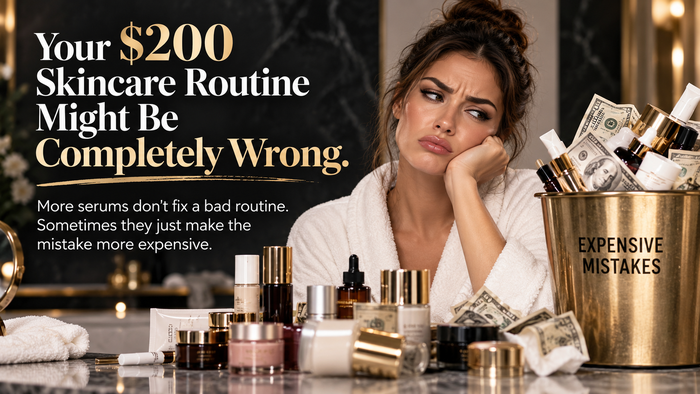
The best serum for dull skin depends on why the skin looks dull: dehydration, uneven tone, texture buildup, or a routine that is doing too many half-jobs.
The short answer
The best serum for dull skin is not always a brightening serum.
The best serum for dull skin is not always a brightening serum. Dullness can come from dehydration, uneven tone, rough texture, poor routine order, or skin that simply looks tired. The first step is diagnosing the type of dullness before choosing vitamin C, hydration support, peptides, or barrier comfort.
Four types of dullness
Dull skin is a broad signal, which is why generic advice fails so efficiently.
Dull skin is a broad signal, which is why generic advice fails so efficiently. Some dullness looks gray and flat because the skin is dehydrated. Some looks patchy because tone is uneven. Some looks rough because texture catches light badly. Some appears only in the afternoon because the routine does not hold hydration.
When hydration is the answer
If dull skin also feels tight, dry, or flat, a hydration-first serum makes more sense than a strong brightening active.
If dull skin also feels tight, dry, or flat, a hydration-first serum makes more sense than a strong brightening active. Hyaluronic acid, PDRN + HA style hydration support, and comfort-focused formulas can improve the way light reflects from the skin by helping the surface feel less tight.
When brightness is the answer
If the skin looks uneven but does not feel irritated, a brightness-support serum may fit.
If the skin looks uneven but does not feel irritated, a brightness-support serum may fit. Vitamin C, alpha arbutin, or tone-support formulas can help with the look of dullness when used consistently with sunscreen. Sunscreen matters because brightening routines without SPF are a tiny comedy of contradiction.
When support is the answer
If dullness appears with fine-line appearance, less bounce, or tired-looking skin, a support serum may be more useful than another brightening product.
If dullness appears with fine-line appearance, less bounce, or tired-looking skin, a support serum may be more useful than another brightening product. Peptides, PDRN-style support, and NAD-style support belong in this role because they address the look of skin that lacks resilience.
When barrier comfort is the answer
If dull skin also stings, flushes, or feels easily irritated, comfort comes first.
If dull skin also stings, flushes, or feels easily irritated, comfort comes first. A brightening serum may be too much if the barrier already feels annoyed. Start with hydration, ceramide-style comfort, and a simpler routine before chasing radiance like it owes you money.
Morning routine for dull skin
Use a light serum that matches the dullness type.
Use a light serum that matches the dullness type. Brightness-support serums usually belong in the morning before moisturizer and sunscreen. Hydration serums can go early, then moisturizer if needed, then sunscreen. Do not pile four unrelated serums under SPF and call that strategy.
Night routine for dull skin
Night can support hydration, barrier comfort, and gentle renewal.
Night can support hydration, barrier comfort, and gentle renewal. If texture contributes to dullness, night may be the better place for renewal. If dryness is the problem, night should stay recovery-focused. The point is not to punish dull skin. The point is to remove the reason it looks dull.
How this page differs from glow pages
This page diagnoses broad dullness.
This page diagnoses broad dullness. The glow page focuses on radiance and brightness. The flat-skin page focuses on bounce and plumpness. The tired-looking page focuses on fatigue appearance. The dull-in-photos page focuses on how texture and tone show under camera lighting.
Decision table
| Dullness clue | Likely reason | Best serum direction |
|---|---|---|
| Dull and tight | Dehydration | Hydration / PDRN + HA support |
| Dull and patchy | Uneven tone | Vitamin C or tone support |
| Dull and rough | Texture issue | Gentle renewal after comfort |
| Dull and reactive | Barrier discomfort | Ceramide-style comfort |
| Dull with fine lines | Support gap | Peptides or PDRN-style support |
When the quiz is the better shortcut
If dullness, glow, flatness, dryness, makeup finish, and tired-looking skin all overlap, use the quiz to identify the first missing serum role. Guessing makes a product drawer. Diagnosis makes a routine.
Related dullness and glow guides
Frequently asked questions
Is this medical advice?
No. This is cosmetic skincare education only.
Should I use sunscreen?
Yes, especially when using morning brightening or glow-support routines.
Can I use more than one serum?
Yes, but introduce products slowly and keep the order simple.
Should I take the quiz?
Yes, if you cannot tell whether hydration, brightness, support, barrier comfort, or renewal should come first.
How long should I test a serum?
Hydration can feel different quickly, while tone and support routines usually need several weeks of consistent use.
Can sensitive skin use brightening serum?
Sometimes, but barrier comfort and tolerance should come first.
Where does moisturizer go?
Usually after serum and before sunscreen in the morning.
Where does sunscreen go?
Sunscreen is the final skincare step in the morning.
Can dullness be caused by dryness?
Yes. Dry or dehydrated-looking skin can reflect light poorly and appear dull.
Can makeup make dullness worse?
Yes. Heavy or incompatible layers can make texture and dullness more visible.
Find your first missing serum role
Use the quiz to decide whether your routine should prioritize hydration, brightness, support, barrier comfort, or renewal.
Start Skin QuizFinal decision guide
Best Serum for Dull Skin should help the reader make a serum decision from a real skin signal, not from a product trend. The useful lens here is dullness and glow. A good page should explain what the concern usually means in a routine, which serum role fits first, and when buying another product may be premature.
The first decision is whether the skin needs comfort, support, brightness, or night renewal. Comfort usually means hydration and barrier-feel support. Support usually means peptide-style or routine-structure help. Brightness usually belongs where dullness or uneven tone appearance is the main issue. Renewal usually belongs at night, especially when the morning routine is already crowded.
The second decision is whether the current routine is already too complicated. When someone owns several products but cannot explain the job of each one, the problem may not be a missing serum. It may be missing order. Adding another active in that situation can make the routine harder to judge.
The practical approach is to change one role at a time. If tightness is the strongest signal, start with hydration. If dullness is the strongest signal and the skin is comfortable, check a brightness step. If fine-line appearance and firmness look are the main concerns, examine the night routine. If products pill under sunscreen or makeup, fix texture and sequence before adding more.
This page is not medical advice and does not diagnose skin conditions. It is a cosmetic decision guide for choosing a simpler serum role before buying again.
| Decision | What to check |
|---|---|
| Strongest signal | Dryness, dullness, sensitivity, pilling, or visible aging concern. |
| Serum role | Hydrate, support, brighten, or renew at night. |
| Routine fit | Whether the product makes daily use easier or harder. |
| Next action | Use the quiz before buying another bottle. |
Frequently asked questions
What should I compare before choosing a serum?
Compare the main skin signal, the serum role, texture, timing, tolerance, and whether the product repeats something already in the routine.
Is one serum enough?
One serum may be enough for one clear concern. If dryness, dullness, sensitivity, and visible aging concerns overlap, a sequenced routine may be easier.
Should hydration come first?
Hydration should come first when skin feels tight, dry by afternoon, or when makeup and sunscreen sit badly on the skin.
When should brightness come first?
Brightness is usually more relevant when skin feels comfortable but looks dull, uneven, or tired.
When should I avoid adding another active?
Avoid adding another active when skin stings, pills, feels hot, or already has several treatment steps.
Why does order matter?
Order affects comfort, absorption feel, sunscreen finish, and whether the routine is repeatable.
Can sensitive skin use this guidance?
Yes, but sensitive skin should simplify, patch test, and introduce one product at a time.
How do I know if my routine is overloaded?
If you cannot explain what each serum does, or if products pill and skin feels reactive, the routine may be overloaded.
What is the simplest decision rule?
Choose the next serum by role: hydrate, support, brighten, or renew at night.
What should I do next?
Use the quiz to match the strongest skin signal to a clearer AM/PM sequence before buying another product.